Cold Hands, Tingling, and Fatigue — When the Extremities Speak First
CN
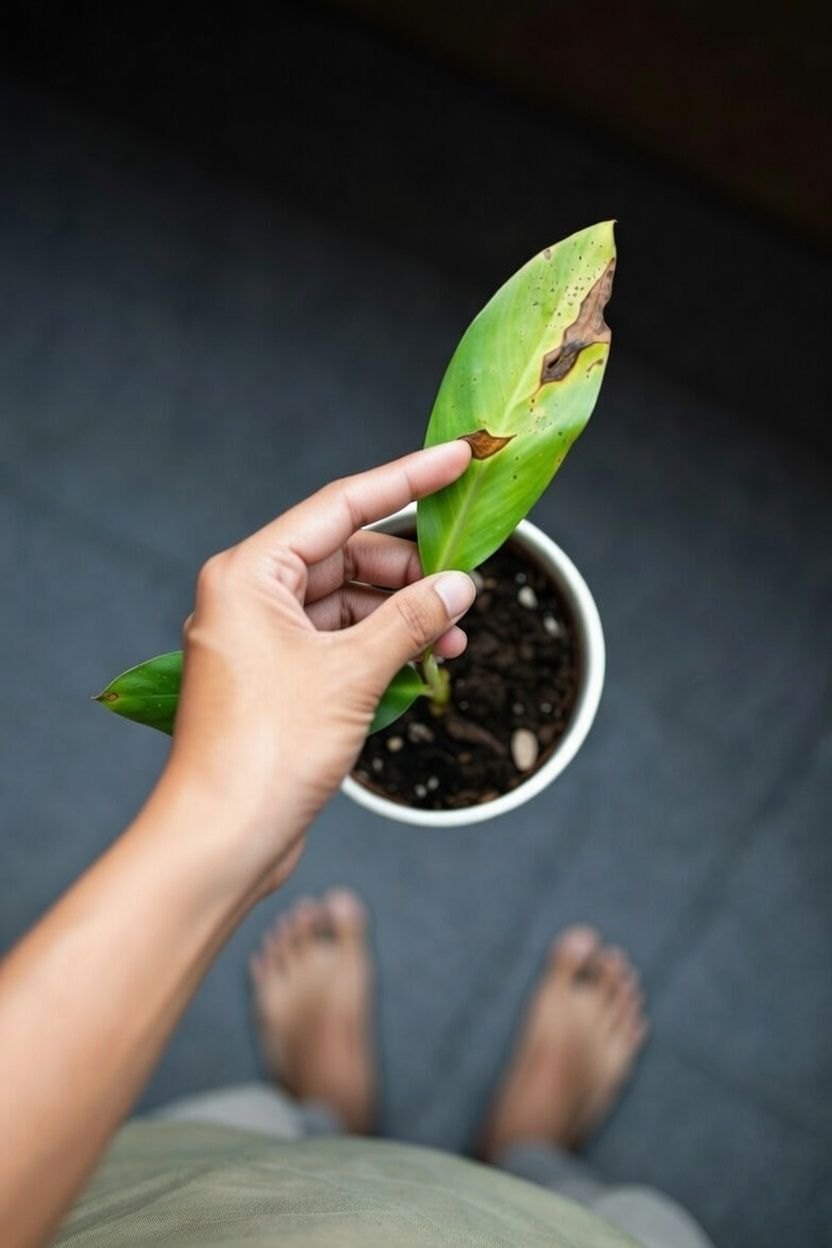
In clinic, depletion rarely announces itself dramatically. It does not begin with collapse. It begins quietly — often at the edges.
Cold hands that never quite warm. Feet that remain chilled even in a heated room. Subtle tingling in the fingers. Brittle nails. Dry skin. A tiredness that feels deeper than simple lack of sleep.
In Traditional Chinese Medicine, these may be early signs of Qi and Blood deficiency — a pattern in which nourishment and circulation are no longer reaching the extremities fully.
Like a leaf that dries first at its tip, the body often reveals imbalance in the areas furthest from the centre.
The hands and feet sit at the outermost reach of circulation. When the body’s resources are strained — through stress, hormonal shifts, overwork, or insufficient rest — it instinctively protects the core. The heart, lungs, and vital organs are prioritised. The periphery receives what remains.
From a biomedical perspective, this may reflect changes in peripheral circulation or increased sensitivity of the nervous system. From a classical perspective, we describe it as Qi and Blood not sufficiently nourishing the channels.
Different language. The same lived experience.
When Blood is insufficient, the tissues lose some of their suppleness. Muscles may tighten more easily. The skin may lose vibrancy. Sensation may fluctuate between hypersensitivity and dullness. When Qi is weakened, warmth does not distribute evenly, and fatigue settles more deeply into the limbs.
These patterns rarely appear overnight. They develop gradually. The body whispers before it shouts.
In Chinese medicine, we distinguish between the Branch — the visible symptom — and the Root — the underlying pattern. If someone presents with tingling fingers, we do not treat only the fingers. If someone complains of persistent cold feet, we do not simply warm the feet.
We ask why nourishment is not reaching the extremities. Is the system depleted? Is stress consuming resources faster than they are replenished? Is sleep insufficient to restore what has been spent? Is circulation constrained?
Treating only the branch may offer temporary relief. Supporting the root strengthens resilience.
Acupuncture treatment focuses on restoring that continuity. By regulating circulation, supporting the production of Qi and Blood, and calming an overactive stress response, the body can redistribute warmth and nourishment more effectively. As balance returns, the extremities often respond naturally — hands feel warmer, tingling reduces, energy steadies.
The goal is not to chase isolated symptoms. It is to restore coherence.
If you are experiencing persistent cold hands and feet, tingling, night cramps, or unexplained fatigue, these may be early signals rather than isolated inconveniences. Listening at this stage often allows for gentler, more effective correction.
A Quiet Reminder
The leaf in the image does not turn brown at its centre first.
It changes at the tip. The body is similar.
If we listen early — when the signs are subtle — restoration is simpler and deeper.
At Four Pillars Acupuncture in St Albans, I often see patients during these quieter phases of imbalance — when symptoms are subtle but meaningful. Supporting the body early can prevent deeper depletion later.
The extremities do not fail first by accident. They speak first because they are furthest from the source.
The question is not whether the body communicates — it is whether we pause long enough to hear it.